 delishing
How to Make Chamomile Tea: A Comprehensive Guide to Brewing a Soothing Cup


Chamomile tea is celebrated for its gentle, floral flavor, reminiscent of apples with a subtle sweetness. It's a beverage enjoyed worldwide for its calming properties and soothing effect on the mind and body. The key to a perfect cup lies in understanding the nuances of the brewing process, from selecting the right chamomile to steeping it at the optimal temperature.
This guide delves into the art of crafting the ideal chamomile tea, ensuring each cup is a comforting and flavorful experience. We'll explore the best practices, ingredient choices, and techniques to help you unlock the full potential of this beloved herbal infusion.
Understanding Chamomile
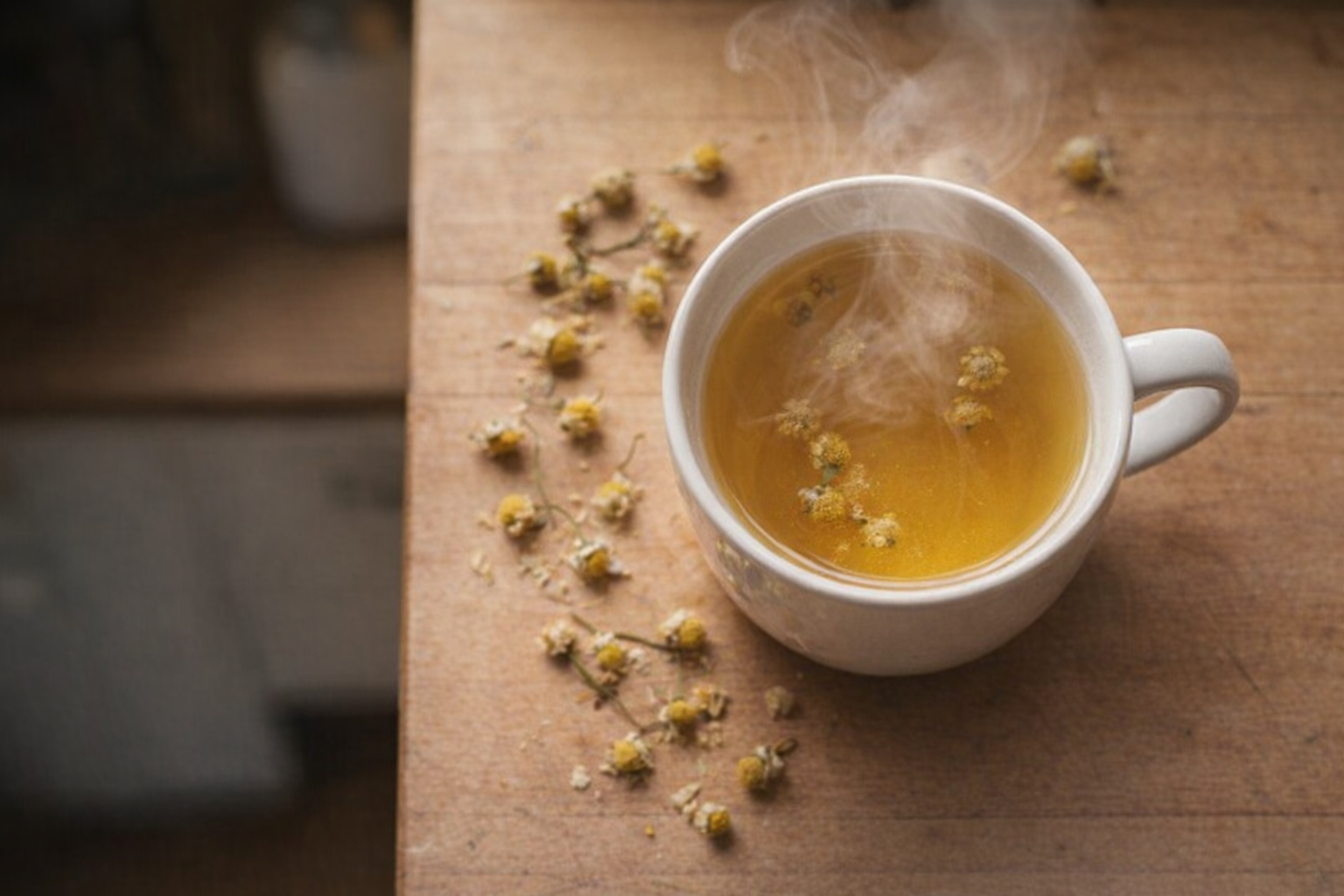
Chamomile isn't just one thing; there are two main types used for tea: German chamomile (Matricaria chamomilla) and Roman chamomile (Chamaemelum nobile). German chamomile is more common and possesses a slightly sweeter flavor. When sourcing chamomile, look for flowers that are intact, not crushed, and have a vibrant yellow color. Avoid flowers that appear dull or brownish, as they may be past their prime. You can find chamomile loose-leaf at specialty tea shops or in tea bags at most grocery stores. Both dried and fresh chamomile flowers work well, though dried are more readily available.
Why Cook Chamomile Tea This Way?
- Versatility: Enjoy it hot or iced, plain or enhanced with honey, lemon, or other herbs.
- Flavor: Harness the unique floral and slightly sweet notes of chamomile flowers.
- Convenience: A simple, quick process that can be enjoyed any time of day.
Preparation (Mise en Place)
Before you begin, gather your ingredients and tools. There's minimal preparation needed, but these steps ensure a smooth brewing process.
- Water: Ensure you have fresh, filtered water. The quality of water significantly impacts the tea's taste.
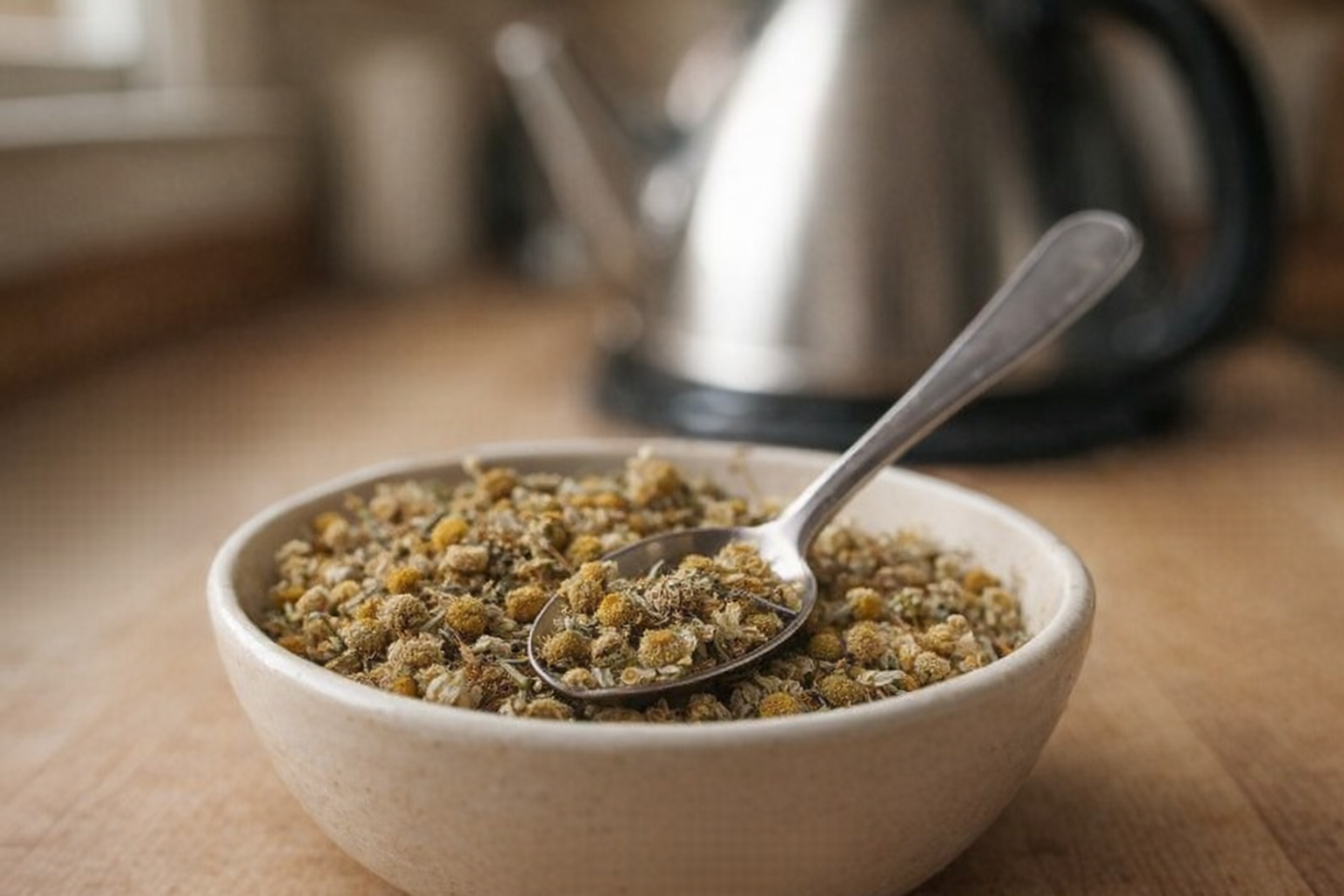
- Chamomile Measurement: Measure 1-2 teaspoons of dried chamomile flowers per 8 ounces (240ml) of water, adjusting to your preference.
- Optional Additives: Have honey, lemon slices, or other desired flavorings ready.
Essential Tools
- Kettle or Pot: For boiling water. Electric kettles with temperature control are ideal for achieving the perfect brewing temperature.
- Tea Infuser or Teapot: A tea infuser allows the chamomile flowers to steep freely without releasing loose particles into your tea. A teapot with a built-in infuser works just as well.
- Mug or Cup: To serve the finished tea.
- Spoon: For stirring in honey or other sweeteners.
The Cooking Method: Steeping Chamomile Tea
Method 1: Traditional Steeping
Ingredients:
- 8 ounces (240ml) filtered water
- 1-2 teaspoons dried chamomile flowers (or 1 chamomile tea bag)
- Optional: Honey, lemon slices, mint leaves
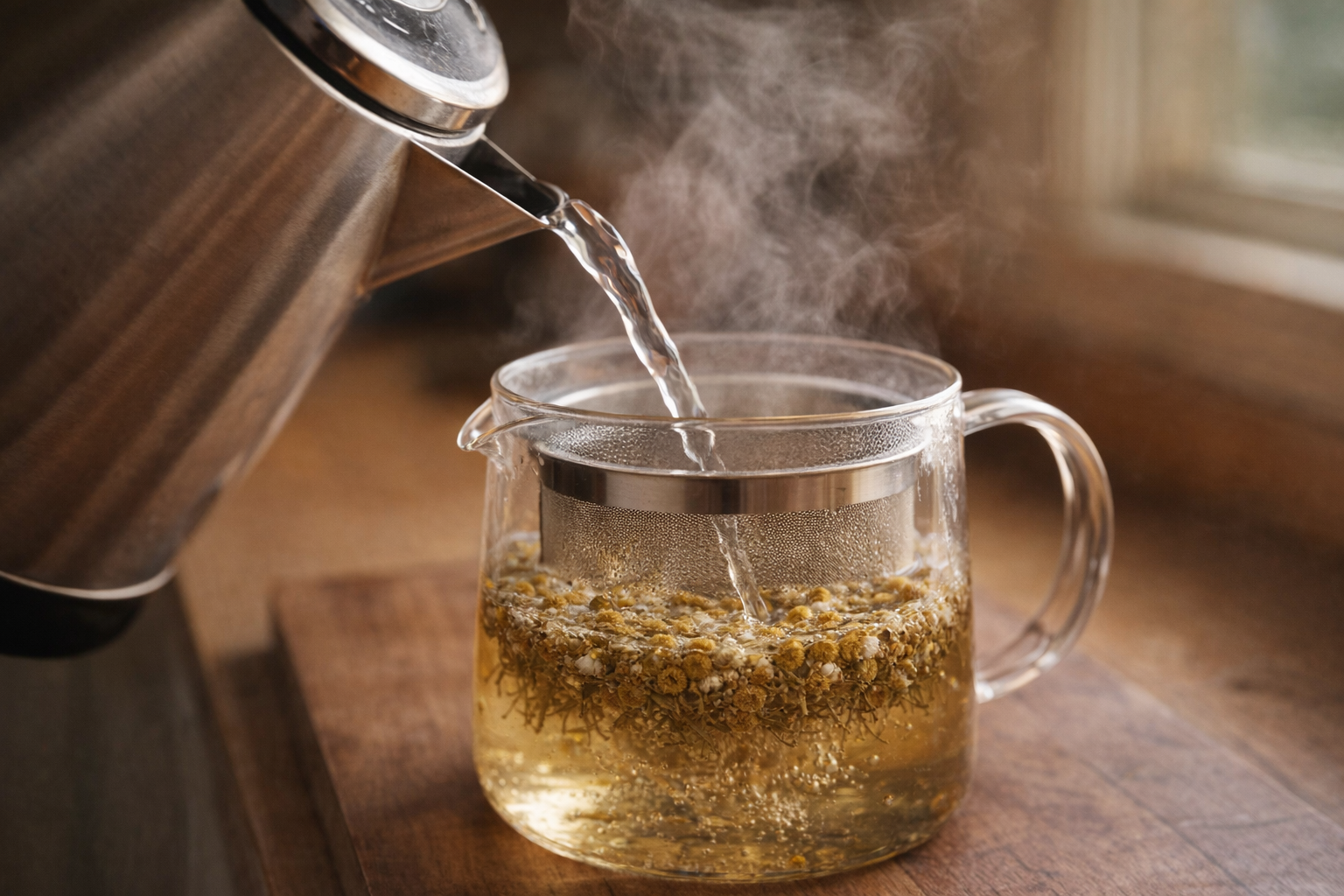
- Boil the Water: Bring the filtered water to a boil in your kettle or pot. Once boiling, let it sit for about a minute to cool slightly to around 200-212°F (93-100°C). This prevents the hot water from scalding the delicate chamomile flowers and causing a bitter taste. You'll notice steam rising gently, a sign it's ready.
- Prepare the Chamomile: Place the chamomile flowers or tea bag into your tea infuser or directly into your mug. The aroma of the chamomile should be prominent as you prepare it.
- Steep the Tea: Pour the slightly cooled boiling water over the chamomile flowers. If using a mug, cover it with a small plate or lid to retain heat and aromatic oils.
- Infuse: Allow the tea to steep for 5-7 minutes, depending on your desired strength. As it steeps, the water will turn a golden color, and the floral scent will intensify.
- Add Sweetener (Optional): Remove the tea infuser or strain the tea into another cup to remove the flowers. Stir in honey or sugar to taste, if desired. The honey should dissolve easily in the warm tea.
- Enhance (Optional): Add a slice of lemon or a few mint leaves for added flavor and refreshment. The lemon will brighten the tea, while the mint adds a cooling effect.
- Serve and Enjoy: Sip slowly and savor the calming experience.
Cooking Time & Doneness Guide
- Steeping Time: 5-7 minutes
- Internal Temperature: N/A
Visual Cues
- The tea will turn a golden yellow color.
- The aroma will become more pronounced.
Tips for Perfection
- Water Temperature: Avoid using boiling water directly on the chamomile flowers, as it can make the tea bitter. Let the water cool slightly before pouring.
- Steeping Time: Do not over-steep the tea, as this can also result in a bitter flavor. Stick to the recommended 5-7 minutes.
- Quality of Chamomile: Use high-quality chamomile flowers for the best flavor and aroma.
- Experiment: Adjust the amount of chamomile and steeping time to find your perfect cup.
Storage & Reheating
Leftover chamomile tea can be stored in the refrigerator for up to 24 hours. To reheat, gently warm it in a saucepan over low heat or in the microwave. Be careful not to overheat, as this can alter the flavor. Iced chamomile tea can be stored in the refrigerator for up to 2 days.
Serving Suggestions
- Classic Hot Brew: Enjoy it as is for a simple and soothing experience.
- Iced Chamomile Tea: Brew the tea and then cool it down before adding ice for a refreshing summer beverage.
- Chamomile Latte: Combine steeped chamomile tea with steamed milk and a touch of honey for a comforting latte.
- Chamomile-Infused Mocktail: Mix chilled chamomile tea with sparkling water, a splash of fruit juice, and fresh herbs for a sophisticated mocktail.
💡 Pro Tips
- Use water that is just below boiling, around 200°F, to ensure you don't scorch the delicate chamomile flowers and ruin their subtle flavor.
- Steep the tea for exactly five to seven minutes to achieve a full-bodied infusion without any unwanted bitterness.
- Keep your cup or teapot covered during the steeping process to trap the beneficial essential oils and aromatic steam inside.
- Opt for whole dried chamomile flowers instead of pre-packaged tea bags to get a fresher, more potent floral taste.
- Enhance the natural apple-like sweetness of the brew by stirring in a small amount of raw honey or a squeeze of fresh lemon.
Frequently Asked Questions
Yes, you can use fresh chamomile flowers. Since fresh flowers contain more water, you'll need to use about twice the amount compared to dried flowers to achieve a similar flavor intensity. Adjust to your taste preference.
If you don't have a tea infuser, you can use a fine-mesh sieve or a coffee filter lined with cheesecloth to strain the chamomile flowers after steeping. Alternatively, you can simply add the loose flowers directly to your mug and carefully avoid drinking them as you sip.
While the recipe doesn't explicitly state steeping time, a general guideline is to steep chamomile tea for 5-7 minutes. Steeping for longer can result in a more bitter flavor, so taste-test after 5 minutes and adjust accordingly.
Yes, there is a subtle difference. German chamomile is generally considered to have a slightly sweeter flavor compared to Roman chamomile. If you prefer a less sweet tea, Roman chamomile might be a better choice for you.

/thumbs/prime-rib-plated-g83mn.png)